
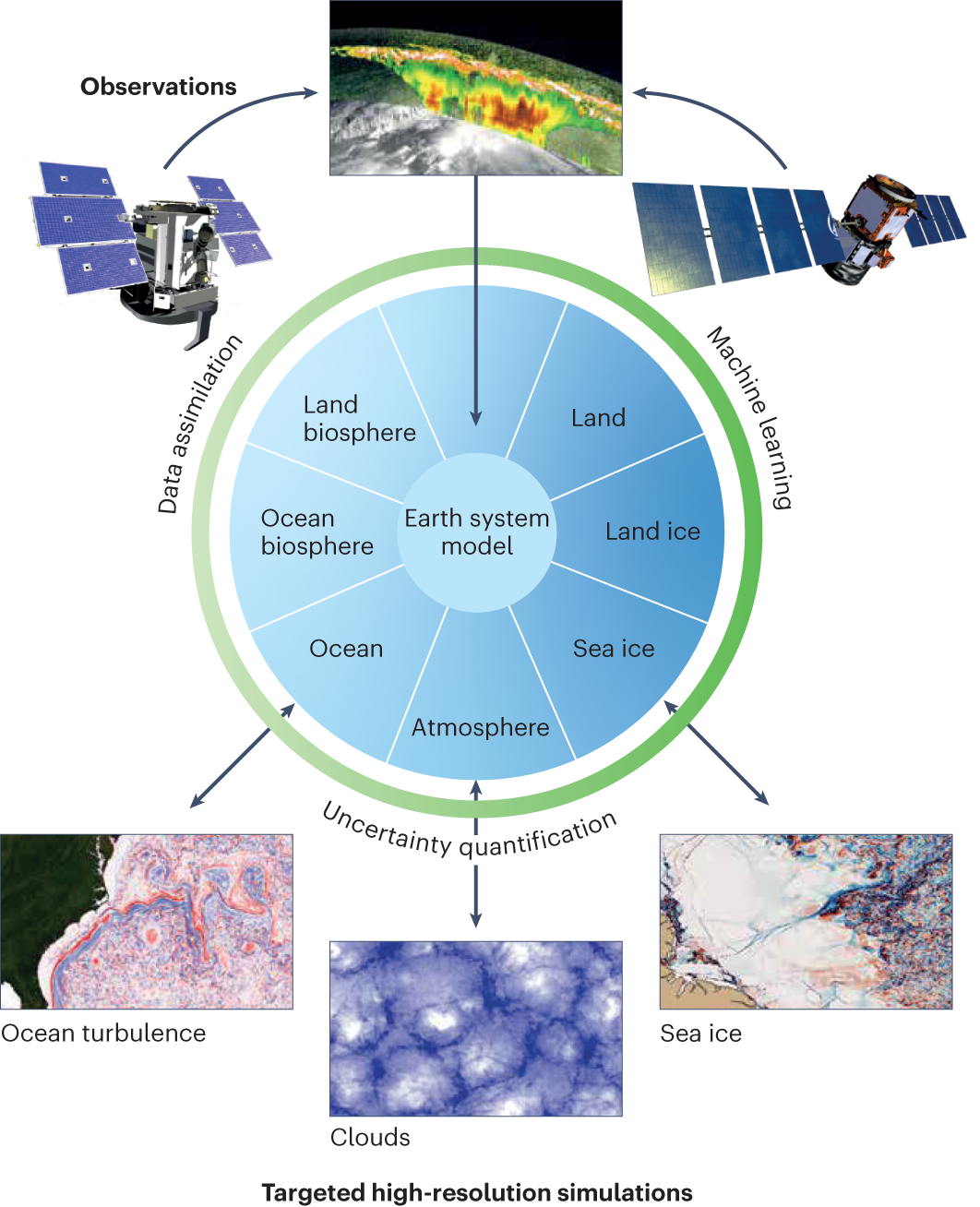
Experts and policy analysts have identified artificial intelligence (AI) as a potential area for renewed cooperation between the United States and China, particularly in addressing shared global challenges related to climate change and public health.
According to recent expert assessments, AI-driven technologies are increasingly being seen as tools that can support climate modelling, early warning systems, healthcare diagnostics, and disease surveillance. Specialists note that collaboration in these domains could help both countries improve climate resilience strategies, enhance public health outcomes, and accelerate innovation while managing cross-border risks.
The discussions come at a time when both nations face pressing climate-related impacts and rising healthcare demands. Analysts emphasise that scientific and technological cooperation, especially in data-driven fields such as AI, can provide a constructive channel for engagement even amid broader geopolitical differences.
Experts have underlined that areas such as climate forecasting, air quality monitoring, medical research, and health system optimisation offer practical opportunities where shared research frameworks and knowledge exchange could deliver global public benefits. However, they also note that cooperation would need to be supported by clear governance mechanisms, transparency, and safeguards related to data use and technology deployment.
The emerging focus on AI-led collaboration reflects a growing recognition that global challenges like climate change and public health require cooperative, technology-enabled solutions beyond national boundaries.