Press release

Community Fitness Initiatives Drive Rising Participation in Non-Competitive Sports

Gemini_Generated_Image_3rh8013rh8013rh8

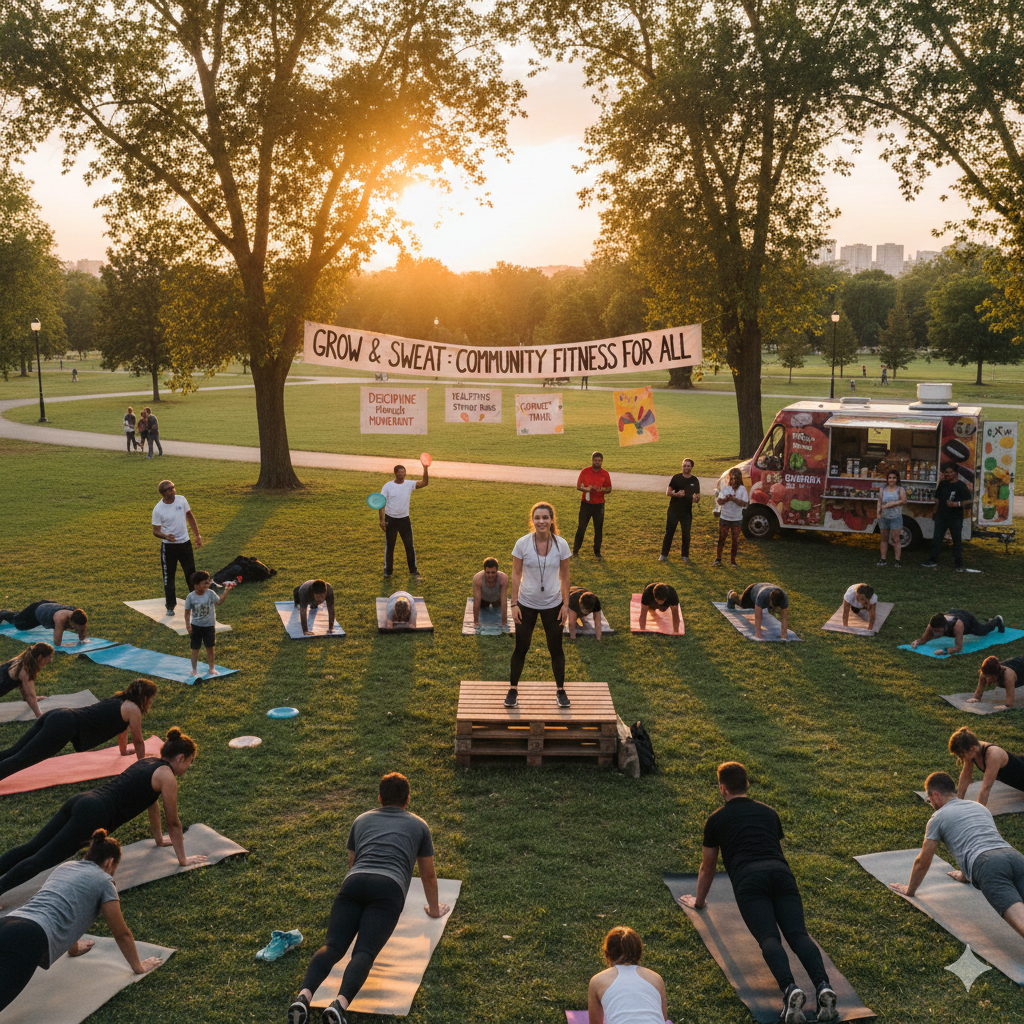
Across several Indian cities and towns, community-led fitness initiatives are contributing to a noticeable increase in participation in non-competitive sports and daily physical activity, particularly among youth and working adults.

Morning group exercise sessions, open-ground fitness routines, and guided physical training programmes are helping reintroduce structured movement into daily life. Sports and wellness experts note that these initiatives prioritise discipline, consistency, and injury-free fitness, rather than competition or performance metrics.

The trend is also creating opportunities for trained fitness mentors, retired sports professionals, and former service personnel to engage meaningfully with local communities. Observers say such models strengthen both physical health outcomes and social cohesion.

Public health specialists emphasise that sustained community fitness engagement can significantly reduce lifestyle-related health risks and complement broader national fitness objectives.


    Author

    Related Press Release

    image-2

    Klondike Solitaire Card Games Drive Over $1.1 Million in Weekly Productivity Loss According to New Workplace Report

    A data report by OnlineCardGames.io highlights that casual gaming during office hours—particularly Klondike Solitaire—is contributing to significant productivity losses in the U.S. economy. Analyzing over 226,000 workplace gaming sessions, the study estimates a weekly productivity cost exceeding $1.1 million, with peak activity occurring between 10 AM and 3 PM. Klondike Solitaire alone accounts for a large share, with its Turn 1 variant generating over 32,800 weekly sessions and an estimated $162,000 in weekly losses. Certain states such as Vermont, California, Texas, New York, and Florida show especially high engagement, with combined annual losses projected to surpass $35 million. The findings suggest employees intentionally use short gaming sessions as mental breaks during natural energy dips in the workday.

    I prefer this response

    Send Us A Message

    Scroll to Top