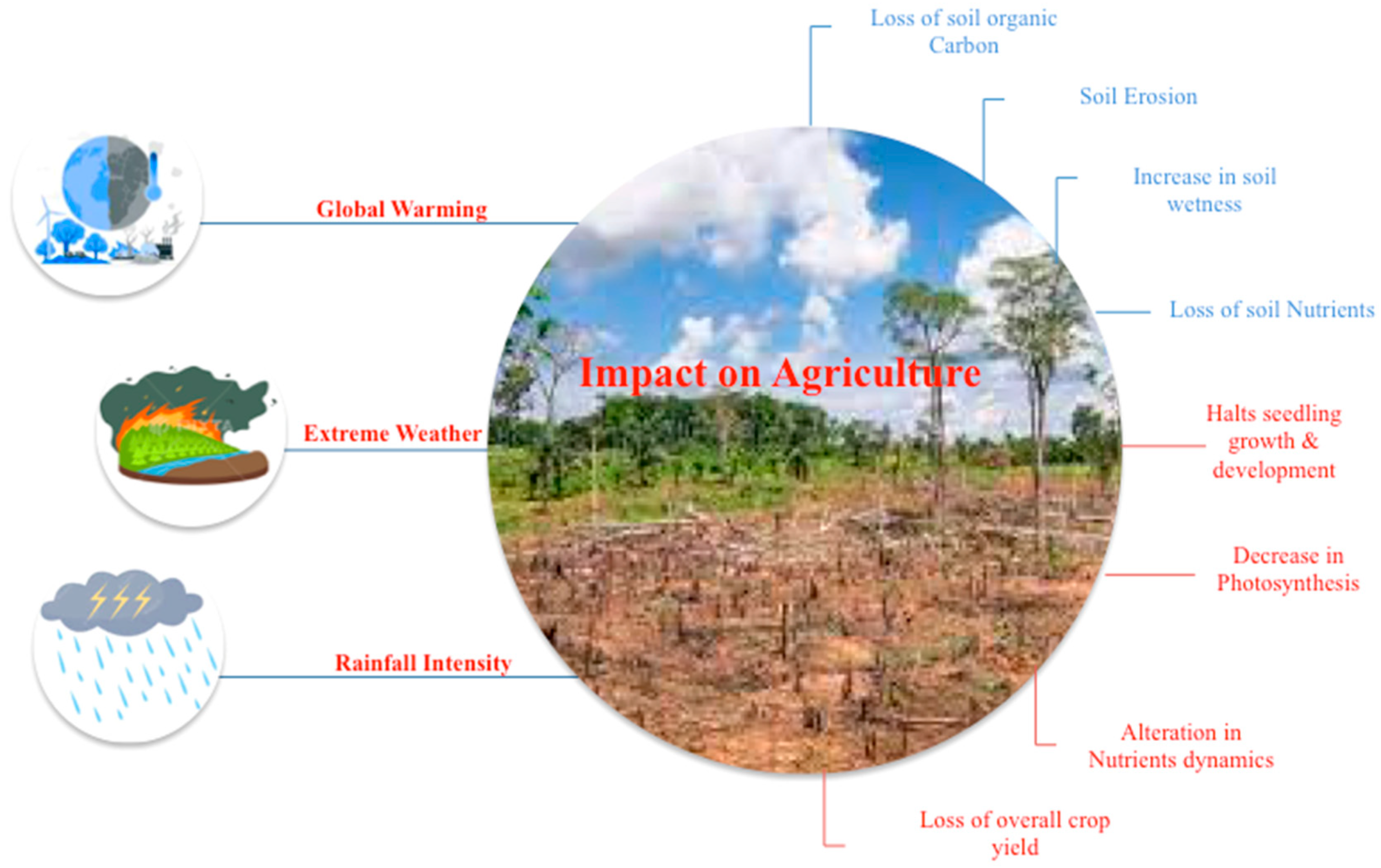
Recent scientific analysis has highlighted that climate change is significantly intensifying crop pest pressures worldwide, posing growing risks to global food security. The research indicates that rising temperatures and changing weather patterns are creating more favourable conditions for pests that affect major food crops.
According to the findings, staple crops such as wheat, rice, and maize are increasingly vulnerable as warmer climates accelerate pest reproduction cycles, expand pest habitats, and reduce the effectiveness of traditional control measures. These trends are expected to result in higher crop losses, particularly in regions already facing climate stress.
Researchers have cautioned that the growing pest threat could undermine agricultural productivity and disrupt food supply chains if not addressed through adaptive strategies. The analysis underscores the importance of integrating climate-resilient agricultural practices, improved pest monitoring systems, and early warning mechanisms into food security planning.
Experts note that the findings reinforce the need for coordinated action involving climate policy, agricultural research, and farmer support systems to mitigate emerging risks linked to climate change.